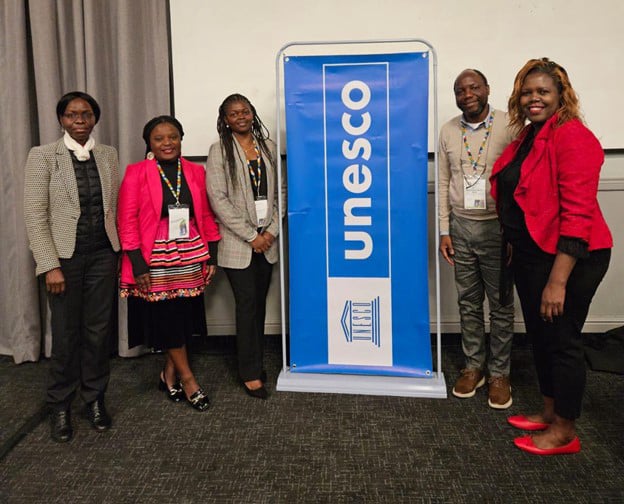
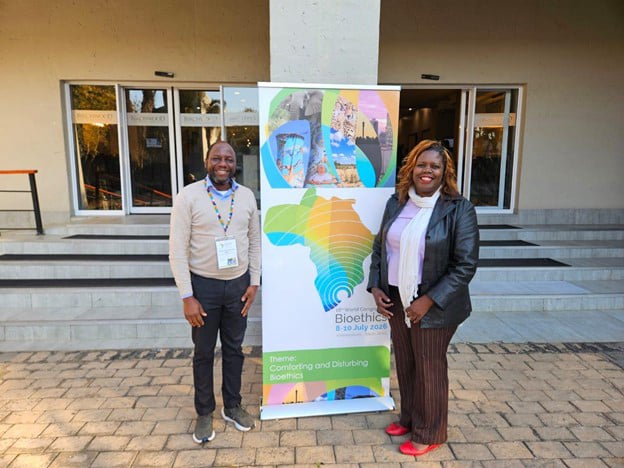
UNESCO–Africa Bioethics Network Panel at the 18th World Congress of Bioethics
Friday, 10 July 2026, 10:30–12:00 | Johannesburg, South Africa
Co-organizers: UNESCO and the Africa Bioethics Network
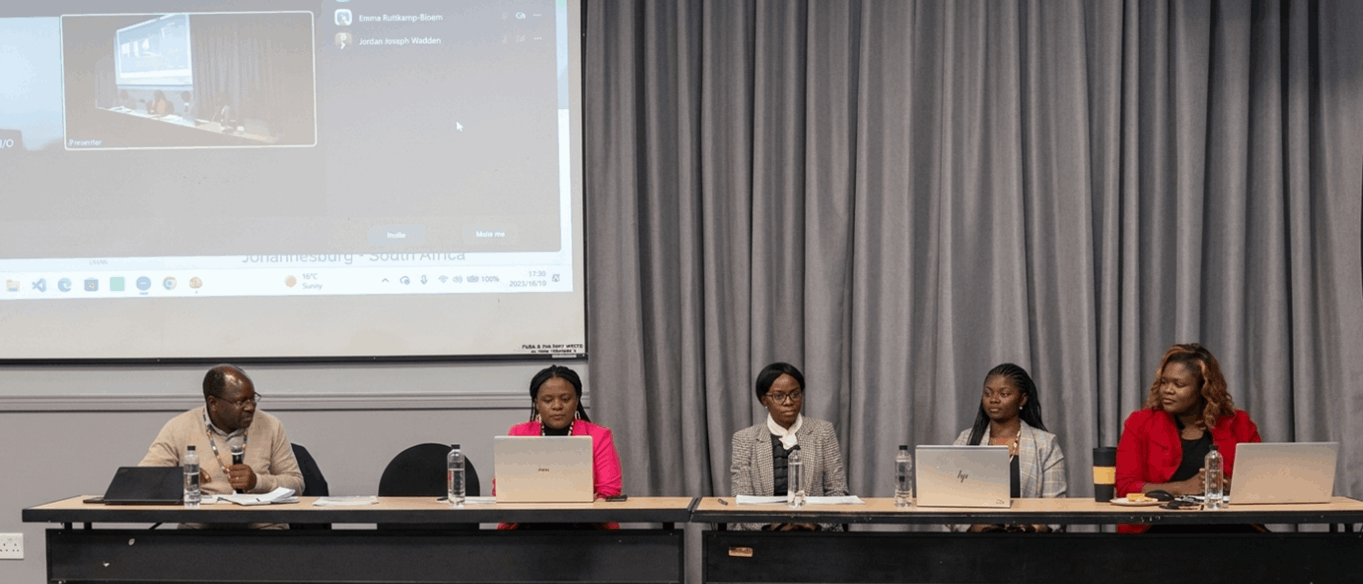
Friday, 10 July 2026, 10:30–12:00 | Johannesburg, South Africa
Co-organizers: UNESCO and the Africa Bioethics Network
Prof. Emma Ruttkamp-Bloem underscored that human datasets can never be fully detached from the social, cultural and historical context in which they are generated. She cautioned that structural inequalities, exclusion, linguistic disparities, and cultural bias are often embedded in data, making the pursuit of completely “bias-free” datasets unrealistic. Emphasizing UNESCO Recommendation on the Ethics of Neurotechnology and of AI’s principles of fairness, inclusiveness, transparency, accountability and protection from harm, she called for ethical approaches that ensure data provenance is transparent, identify who is represented or excluded, assess system performance across diverse populations, and establish safeguards against discriminatory outcomes. She further stressed the importance of strengthening African data ecosystems, fostering African-led innovation, and developing locally appropriate digital infrastructures, so that neurotechnology and AI solutions are grounded in African realities and advance cognitive justice, equity and technological sovereignty.

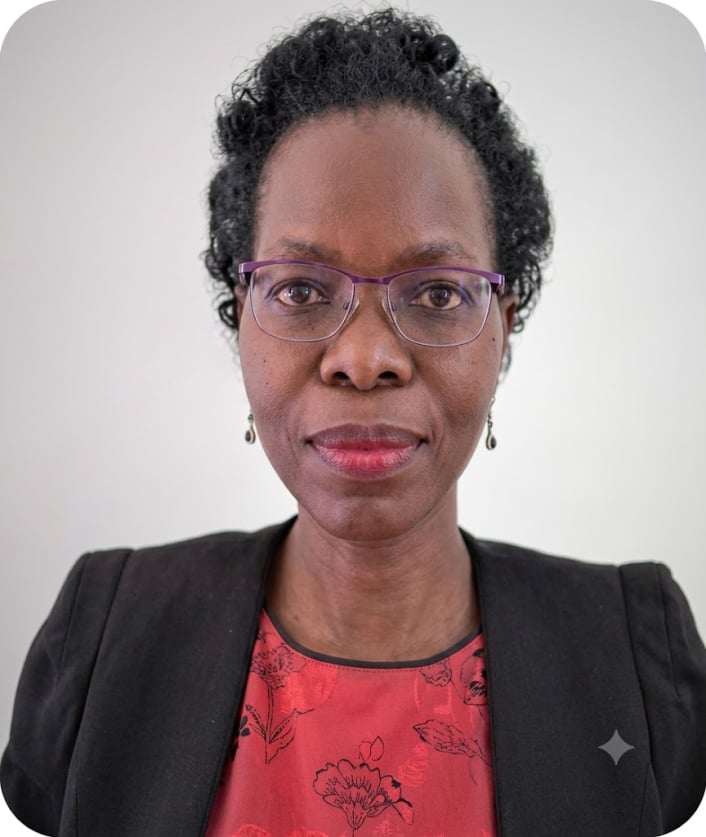
Prof. Pamela Andanda underscored the legal, governance and bioethical challenges associated with cross-border data flows, particularly in contexts where neural, health, behavioural, or wearable data may be collected and transferred through digital platforms and cloud infrastructures without adequate oversight. Drawing attention to existing global frameworks, including UNESCO Recommendations on the Ethics of AI and Neurotechnology, she reiterated the importance of privacy, data protection, transparency, accountability and human rights, with emphasis on human oversight. While noting that African countries have adopted continental and national governance frameworks, including data protection instruments and AI and emerging technology strategies, she observed that implementation remains fragmented across sectors such as health, trade, consumer protection, standards regulation authorities, research ethics, technology governance., She therefore called for stronger institutional coordination and independent accountability mechanisms capable of overseeing both public and private actors, ensuring that the development and use of AI and neurotechnologies remain trustworthy, rights-based, and aligned with the public interest.
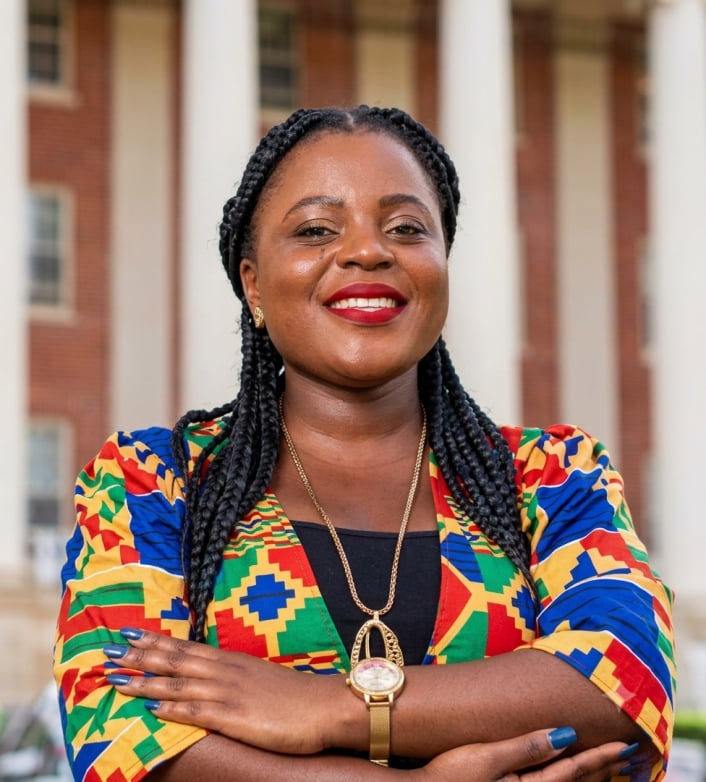
Roseline Dzekem Dine grounded the discussion in community realities, drawing on her experience with clinical trials, vaccination programmes, and public health research. She observed that while participants generally understand the immediate purpose for which their health data is being collected, they may have limited awareness of future use, secondary analysis, data sharing arrangements, commercialization, or integration with AI and neurotechnology systems. “Participants may agree because they trust a doctor, nurse, community worker, researcher, or local institution, rather than because they fully grasp what will happen to their data” she emphasized. She further noted that trust in healthcare professionals often substitutes for a full understanding of data practices, raising significant ethical questions about the adequacy of consent and the protection of individual rights. She reaffirmed informed consent, transparency, autonomy, privacy and meaningful public engagement as essential, before calling for more inclusive and participatory governance approaches that strengthen public understanding, foster trustworthiness and ensure that communities remain active partners in decisions concerning the use of their data and emerging technologies.
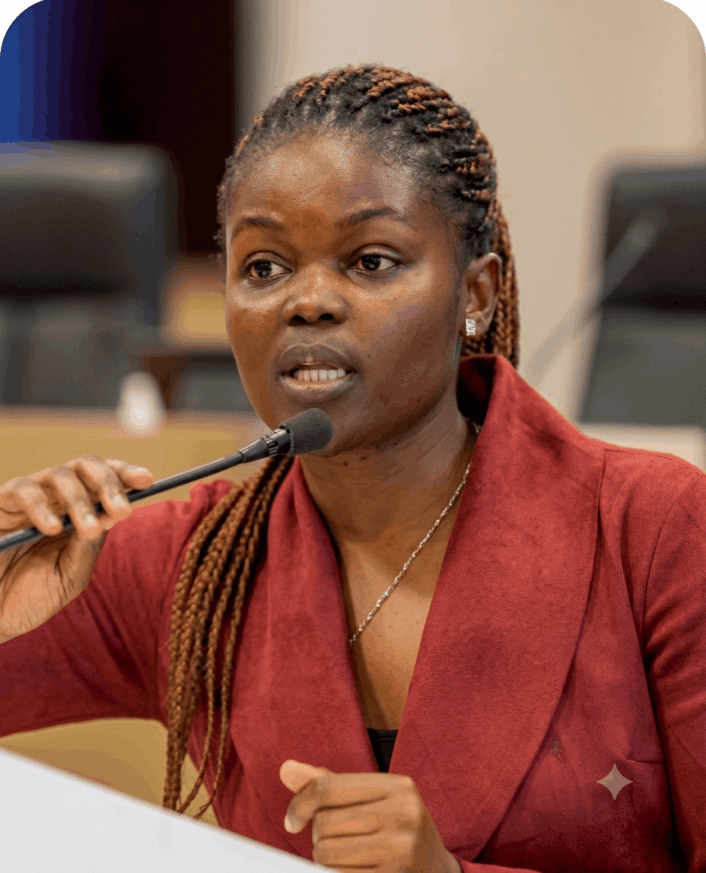
Dr. Olivia Precious Matshabane addressed the neuroethics dimensions of emerging neurotechnologies, exploring key principles such as mental privacy, cognitive liberty, human dignity, children’s rights, autonomy, inclusion and the protection of vulnerable populations, while bringing to the front the cultural context. She stressed that concepts such as cognitive liberty and mental privacy should be interpreted through African perspectives that recognize relational of personhood, community responsibility, and culturally grounded understanding of the brain and human identity. Advocating the rights and best interests of children, she argued that parental consent alone is not sufficient when collecting neural data, and should be complemented by child assent, age-appropriate communication, opportunities for withdrawal, and robust safeguards against future surveillance, re-identification, discrimination and stigma. She further warned that neurotechnologies may generate social harms, including exclusion, cultural misunderstanding and marginalisation, underscoring the need for culturally sensitive governance approaches that foster trust, protect individual rights and promote social well-being, particularly where communities do not understand the technology or its purpose.
In concluding, the panel emphasized that Africa’s response to AI and neurotechnology should not be framed simply as a choice between embracing or rejecting innovation, but rather as a question of governance, ownership,, equity, and public benefit. The discussion identified several non-negotiable safeguards for responsible AI and neurotechnology governance in Africa, including accountability, independent oversight, meaningful consent and child assent, privacy and protection of brain data, transparency, community engagement, , benefit-sharing, and safeguards against extractive cross-border data flows.
Importantly, the exchange highlighted the timeliness of a conversation towards assessing African countries' readiness for the adoption, development, deployment and use of neurotechnologies. It underscored the need to evaluate not only technological capacity, but also the strength of ethical, legal, institutional, and societal frameworks required to ensure that neurotechnological innovation advances in a manner that is responsible, rights-based, and aligned with African priorities. .The session also reinforced the value of continued collaboration between UNESCO and the Africa Bioethics Network, while pointing to the need for sustained African-led dialogue, research, capacity strengthening, and policy engagement in these rapidly evolving fields
